
Neighbourhood guide · Toronto & the GTA
Living on the Toronto Islands: Community & Real Estate Guide
Can you live on the Toronto Islands? How island homes are bought, Ward’s and Algonquin Islands, ferries, schools and pros and cons, from Irina Marchenkova.
By Irina Marchenkova, Sales Representative, RE/MAX Realtron Realty · Seniors Real Estate Specialist (SRES®) · Last updated September 2026
The Toronto Islands are a car-free chain of islands just off downtown, reached by a short ferry ride. Best known as a summer escape with beaches, bike paths and Centreville amusement park, they’re also home to a small, close-knit residential community on Ward’s and Algonquin Islands.
This guide explains the islands, how island homes are bought (it’s very different from the mainland), getting around, schools, lifestyle and the honest pros and cons.
Neighbourhoods Prices Market Costs Transit Schools Checklist FAQ
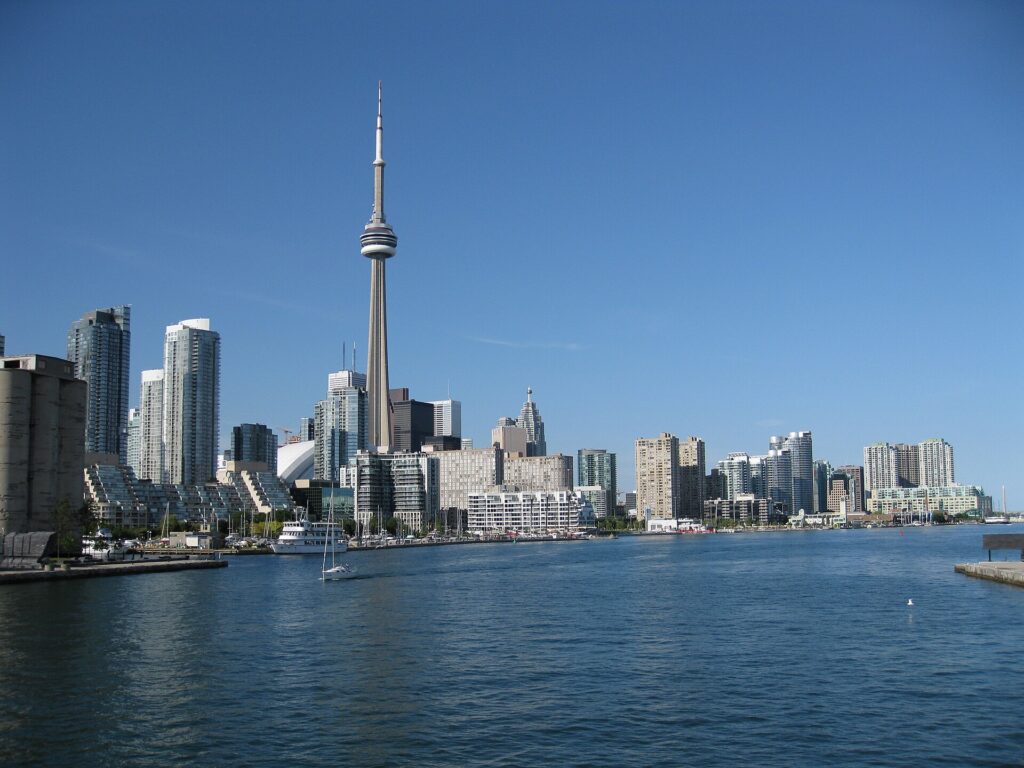

Toronto Islands at a glance
- Where: In Lake Ontario, a short ferry ride south of downtown Toronto
- Homes: Around 260 cottage-style homes on Ward’s and Algonquin Islands
- Getting to the mainland: City ferries from the Jack Layton Ferry Terminal, plus water taxis
- Best for: People who want a quiet, car-free community minutes from downtown
- Big draws: Beaches, parks, cycling, Centreville and skyline views
Why people choose the Toronto Islands
A car-free community. Residents walk and cycle; there are no private cars on the islands.
Nature in the city. Beaches, lagoons, trails and wildlife surround every home.
Minutes from downtown. The ferry crossing is short, making downtown jobs and amenities accessible.
A tight-knit community. Island residents are known for their strong sense of community and local traditions.
Island homes don’t come up on the regular market, so buying one takes patience and research. If island life appeals to you, I’m happy to walk you through how the process works and suggest nearby downtown and waterfront options too.
— Irina Marchenkova
The Toronto Islands
The islands each have their own character:
Ward’s Island
A residential retreat on the eastern end, with cottage-style homes, narrow lanes, a beach and a tight-knit community.
Algonquin Island
Connected to Ward’s by a bridge, with more residential homes and quiet, tree-lined streets.
Centre Island
Known for Centreville Amusement Park, beaches, gardens and picnic areas, and a popular tourist destination.
Hanlan’s Point
The western end, with beaches (including a clothing-optional beach), the historic Gibraltar Point Lighthouse and few residences.
How homes are bought on the Toronto Islands
Island housing works very differently from the mainland:
- Around 260 homes on Ward’s and Algonquin Islands
- Land is leased, not owned: homeowners own their houses, while the land is leased from the City of Toronto
- Sales are managed by a trust: the Toronto Island Residential Community Trust Corporation oversees sales
- Buyers come from a purchase list, and prices are set by a formula rather than open bidding
Island homes vs. nearby downtown (2026)
Because island homes aren’t sold on the open MLS® market, there is no TRREB benchmark for them. Here’s how they compare with the nearest mainland district:
| Topic | Toronto Islands | Nearby downtown (C01) |
|---|---|---|
| How homes are sold | Through the Island Trust’s purchase list | Open market through MLS® |
| Land | Leased from the City of Toronto | Owned (freehold or condominium) |
| Price set by | A formula set by the Trust | Buyers and sellers |
| Typical home price | Not publicly benchmarked | Condo apartment benchmark $550,600 (Sept. 2026) |
If you’re drawn to island life but want more options, downtown waterfront condos near the ferry terminal and Harbourfront offer lake views and quick ferry access. I’m happy to help you compare.
Market snapshot
Here’s how many homes sold and at what prices in September 2026, for all home types combined:
| Area | Homes sold | Average price | Median price |
|---|---|---|---|
| Toronto Central (incl. North York & downtown) | 924 | $1,102,955 | $721,000 |
| City of Toronto | 1,937 | $1,034,320 | $810,000 |
| All TRREB (GTA) | 5,040 | $1,006,409 | $860,000 |
Across the whole GTA in September 2026, homes sold for about 98% of their final list price on average and spent an average of 34 days on the market. GTA sales were down 9.0% from a year earlier and the average price was down 5.1%, so buyers have more choice and negotiating room than in recent years. For the latest numbers on a specific street or building, ask me for a free market report.
What it costs to buy in the Toronto Islands
Land transfer tax
Because the Toronto Islands is in the City of Toronto, buyers pay two land transfer taxes: Ontario’s and Toronto’s municipal land transfer tax. Here’s what that looks like at typical prices:
| Example purchase | Ontario LTT | Toronto LTT | Total | First-time buyer pays |
|---|---|---|---|---|
| Downtown waterfront condo at $550,000 | $7,475 | $7,475 | $14,950 | $6,475 |
| Downtown townhouse at $900,000 | $14,475 | $14,475 | $28,950 | $20,475 |
First-time buyers can get a refund of up to $4,000 on the Ontario land transfer tax and a rebate of up to $4,475 on the Toronto tax (together up to $8,475). You (and your spouse) must never have owned a home anywhere in the world. Land transfer tax is paid on closing, on top of your down payment, so budget for it along with legal fees, title insurance and moving costs.
Property taxes
Toronto’s residential property tax rate is 0.767311% (2026 final rate, City of Toronto), or about $767 a year for every $100,000 of assessed value. In Ontario, property tax is based on your home’s MPAC assessed value, which is still based on January 1, 2016 values and is usually well below today’s market price. You can find a home’s assessment on its latest tax bill or through MPAC.
| MPAC assessed value | Approximate yearly property tax |
|---|---|
| $400,000 | $3,069 |
| $600,000 | $4,604 |
| $800,000 | $6,138 |
| $1,000,000 | $7,673 |
On the islands: island homeowners also pay ground rent under their land lease with the City. Confirm current amounts with the Toronto Island Residential Community Trust Corporation.
Getting around
- City ferries: From the Jack Layton Ferry Terminal at the foot of Bay Street to Ward’s Island, Centre Island and Hanlan’s Point.
- Water taxis: Private water taxis run from the Harbourfront.
- On the islands: Walking and cycling; there are no private cars.
- Billy Bishop Airport: At the western end, connected to the mainland by a pedestrian tunnel.
Schools and family life
The Island Public/Natural Science School, part of the Toronto District School Board, serves the islands and is known for its outdoor and environmental programs. Older students typically attend school on the mainland.
Downtown’s hospitals, universities and services are a ferry ride away.
Child care
Licensed child care in Ontario is far more affordable than it was a few years ago. At centres enrolled in the Canada-wide Early Learning and Child Care program, fees for children under 6 are capped at $22 a day in 2026, and families with lower incomes can apply for a fee subsidy that reduces the cost further. (The long-promised $10-a-day average has not yet been reached in Ontario.)
In Toronto, the City’s online child care system lets you search licensed centres, see their quality ratings and join waitlists, and you can apply for a fee subsidy through Toronto Children’s Services.
My tip: get on waitlists as early as possible, ideally several months before you move or before parental leave ends, and ask each centre whether it’s enrolled in the reduced-fee program.
- Ontario: Find and pay for child care: search licensed centres province-wide and learn about fee subsidies
- City of Toronto: Licensed Child Care: search centres, see quality ratings, join waitlists and apply for a fee subsidy
Parks, shopping and things to do
- Beaches: Ward’s Island, Centre Island, Gibraltar Point and Hanlan’s Point
- Centreville Amusement Park on Centre Island
- Cycling and walking on car-free paths
- Gibraltar Point Lighthouse, one of the Great Lakes’ oldest
- Paddling and sailing in the lagoons and harbour
- Skyline views of downtown Toronto
- William Meany Maze: a hedge maze on Centre Island
- Franklin Children’s Garden: a garden and play area inspired by the Franklin books
- Toronto Island disc golf course: a free course on Centre Island
- Ward’s Island Beach: a quieter, sandy beach near the residential community
- Toronto Island Park boardwalk: a boardwalk along the south shore with lake views
Pros and cons of living in the Toronto Islands
Pros
- Car-free, quiet community
- Beaches and nature at your door
- Minutes from downtown by ferry
- Strong community spirit
- Unique Toronto lifestyle
Cons
- Homes are rare and not on the open market
- Depends on ferry schedules
- Busy with visitors in summer
- Flooding has affected the islands in high-water years
- Limited shops and services
Before you buy in the Toronto Islands: local checklist
Every area has its own rules and quirks. Here’s what I check with buyers in the Toronto Islands:
- Island homes are different: they are sold through the Toronto Island Residential Community Trust Corporation’s purchase list, on land leased from the City, so contact the Trust for current rules.
- Flooding: high Lake Ontario water levels flooded parts of the islands in 2017 and 2019, so ask about past water issues and insurance.
- Ferry dependence: daily life depends on ferry schedules, including for moving, deliveries and emergencies.
- Toronto Vacant Home Tax: every Toronto homeowner must file a yearly occupancy declaration; homes left vacant more than six months can be taxed at 3% of assessed value.
- Condos: always review the status certificate, reserve fund study and any upcoming special assessments before you firm up an offer.
- Non-Canadian buyers: check the current federal foreign-buyer rules and Ontario’s 25% Non-Resident Speculation Tax and Toronto’s 10% Municipal Non-Resident Speculation Tax before making an offer.
Buying or selling in the Toronto Islands with Irina
I’m a RE/MAX Realtron Realty Sales Representative and Seniors Real Estate Specialist (SRES®). If island living interests you, or you’d like a waterfront condo with a similar feel, I’ll give you honest, local advice about the Toronto Islands and the downtown waterfront, in English or Russian.
- Buying with Irina: how I help buyers find the right home and negotiate well
- Selling with Irina: pricing, preparation and marketing that gets results
- Pre-construction: new condos and homes across the GTA
- Free home evaluation: find out what your home is worth today
- First-time buyer guide, mortgage pre-approval and closing costs: plan your budget before you shop
- New to Canada? My guide to buying a home as a newcomer
Call or text 416-846-8064 or email irina@loveurlife.ca, or send me a message below.
Plan your move to Toronto Islands
Where is Toronto Islands?
Gold pin: Toronto Islands. Click any white pin to open that neighbourhood’s guide.
What would I pay each month?
The 4.5% interest rate is only an example; use the rate your lender or mortgage broker quotes. 30-year amortizations on insured mortgages are for first-time buyers and new builds. Toronto buyers pay both Ontario and Toronto land transfer tax. This is an estimate, not financial advice.
How have prices changed this year?
Typical price for all home types in TRREB district C01: $645,400 in September 2026, -5.5% since October 2025 ($682,800).
MLS® Home Price Index composite benchmark, October 2025 to September 2026. Source: TRREB Market Watch. Hover over a point to see that month’s figure.
Check your commute
Live travel times from Google Maps, starting in Toronto Islands. Tip: check at the time of day you’d actually travel.
Toronto Islands real estate FAQ
Can you buy a house on the Toronto Islands?
Yes, but not on the open market. The roughly 260 homes on Ward’s and Algonquin Islands are sold through the Toronto Island Residential Community Trust Corporation’s purchase list, at prices set by a formula.
Do Toronto Island residents own their land?
No. Residents own their homes, but the land is leased from the City of Toronto.
How do Toronto Island residents get to the mainland?
By city ferry from the Jack Layton Ferry Terminal, or by private water taxi. There are no private cars on the islands.
Is there a school on the Toronto Islands?
Yes. The Island Public/Natural Science School is part of the Toronto District School Board.
What is there to do on the Toronto Islands?
Beaches, cycling, Centreville Amusement Park, the Gibraltar Point Lighthouse, paddling and some of the best skyline views in the city.
Useful links
Official sources and local resources I recommend to buyers and sellers (links open in a new tab):
- City of Toronto
- Toronto property tax rates: 2026 rates
- Toronto municipal land transfer tax: rates and fees
- Toronto first-time buyer land transfer tax rebate
- Ontario first-time buyer land transfer tax refund
- Toronto Vacant Home Tax: yearly occupancy declaration
- MPAC: look up a property’s assessed value
- TDSB school locator: find your public schools
- Toronto Catholic District School Board
- Fraser Institute school rankings: compare Ontario school results
- TTC: subway, streetcar and bus routes
- GO Transit: regional trains and buses
- Toronto and Region Conservation Authority (TRCA): check if a property is in a regulated area
- TRREB Market Watch: monthly GTA sales and price data
- Billy Bishop Toronto City Airport
Explore nearby areas
- Downtown Toronto: a short ferry ride away
- The Beaches: lakeside living in the east end
- West Toronto: High Park and the waterfront
- All area guides: every neighbourhood guide in one place
- Interactive map: see every area on one clickable map
Compare neighbourhoods: Most affordable areas · Best for families · Best for downsizing · First-time buyer guide · Downsizing guide · All neighbourhood guides