
Neighbourhood guide · Toronto & the GTA
Living in the Beaches: Neighbourhood & Real Estate Guide
Thinking of buying in the Beaches? Homes for sale, 2026 prices, streets and schools, beach life, and honest pros and cons from Realtor Irina Marchenkova.
By Irina Marchenkova, Sales Representative, RE/MAX Realtron Realty · Seniors Real Estate Specialist (SRES®) · Last updated September 2026
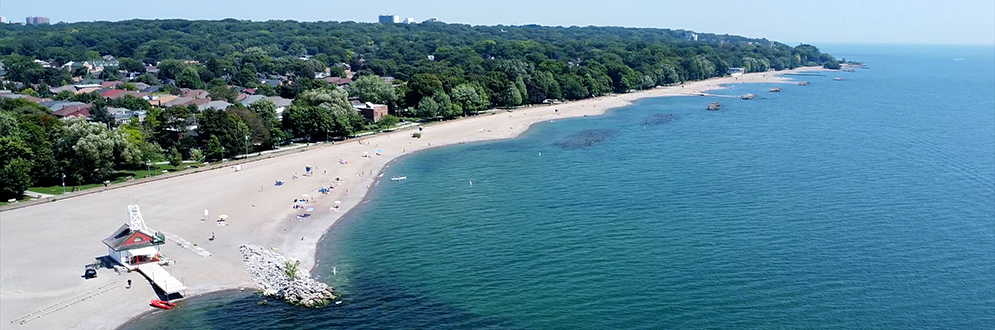
The Beaches (or “the Beach,” depending on who you ask) is one of Toronto’s most loved neighbourhoods: a lakeside village with a boardwalk, sandy beaches, leafy streets of character homes and a Queen Street East strip full of independent shops and cafés, all about 20 minutes from downtown.
This guide covers the Beaches’ pockets, the homes you’ll find and what they cost, transit, schools, parks and the honest pros and cons, so you can decide if it’s the right fit.
Looking at homes for sale in the Beaches? I can set up a search that sends you new Beaches listings as they come on the market, and walk you through recent sales so you know what a fair price looks like. Get in touch, or see my Beaches site, Toronto Beaches Real Estate.
Neighbourhoods Prices Market Costs Transit Schools Checklist FAQ
the Beaches at a glance
- Where: East Toronto along Lake Ontario, roughly from Coxwell Avenue to Victoria Park Avenue, south of the Danforth
- Homes: Early-1900s detached and semi-detached houses, cottage-style homes, townhouses and boutique condos
- Getting downtown: 501 Queen streetcar, Line 2 subway at Main Street and Woodbine, Danforth GO station
- Best for: Families, dog owners, lake lovers and anyone who wants a small-town feel inside the city
- Big draws: The boardwalk, Woodbine Beach, Kew Gardens, Glen Stewart Ravine and Queen Street East
Why people choose the Beaches
Lake life in the city. Three kilometres of boardwalk and sandy beaches are right at the bottom of the street, with Ashbridge’s Bay, the Martin Goodman Trail and some of the city’s best swimming beaches.
A real village feel. Queen Street East is lined with independent bakeries, cafés, boutiques and restaurants, and neighbours tend to know each other.
Character homes and leafy streets. Many streets are lined with century homes, porches and mature trees, and well-kept houses hold their appeal.
Easy access to downtown. The 501 streetcar runs along Queen, the Line 2 subway is a short bus or walk away along the Danforth, and Danforth GO is at Main Street.
My advice to anyone considering the Beaches: walk it on a quiet weekday evening and again on a busy summer Saturday. You’ll see both sides of the neighbourhood, and you’ll know very quickly whether it feels like home.
— Irina Marchenkova
the Beaches neighbourhoods
The Beaches has several distinct pockets, each with its own character:
The Beach (south of Queen)
The classic Beaches experience: narrow streets of cottages and character homes just steps from the boardwalk, Kew Gardens and Queen Street East.
Upper Beaches
North of Queen toward Kingston Road and the Danforth. Slightly more affordable, with many semis and detached homes, family-friendly streets and quick access to Main Street station.
Balmy Beach & Beach Hill
The eastern end near Balmy Beach Park and Glen Stewart Ravine, with larger homes, hilly treed streets and some of the area’s most sought-after properties.
Woodbine Corridor
The western edge around Woodbine Park and Woodbine Beach, with newer townhouses and condos plus easy access to Ashbridge’s Bay and Lake Shore Boulevard.
For even more on the east-end waterfront, visit my dedicated site, irinasellsbeaches.com.
Homes and prices in the Beaches
Homes in the Beaches range widely:
- Detached homes from the early 1900s, many renovated or rebuilt, especially south of Queen and in Beach Hill
- Semi-detached and row houses, popular with first-time buyers moving up from condos
- Cottage-style homes on the small streets near the lake
- Townhouses and boutique condos along Queen Street East, Kingston Road and the Woodbine Corridor
Beaches benchmark prices (September 2026)
The Beaches is part of TRREB’s Toronto E02 district. Here’s how its benchmark prices compare with the City of Toronto overall:
| District | Main neighbourhoods | All homes | Detached | Townhouse | Condo apt. |
|---|---|---|---|---|---|
| E02 | The Beaches, Woodbine Corridor, East End-Danforth | $1,248,400 | $1,605,100 | $890,800 | $679,800 |
| City of Toronto | All districts | $908,200 | $1,417,600 | $714,700 | $543,800 |
Benchmark prices describe a “typical” home and can differ from any individual sale. In September 2026, E02’s composite benchmark was down 2.65% from a year earlier and detached homes were down 3.28%, so buyers have more room to negotiate than in recent years. For recent sold prices on a specific street, ask me for a free market report.
Thinking of selling? Get a free home evaluation and I’ll show you what comparable homes near you have actually sold for.
Market snapshot
Here’s how many homes sold and at what prices in September 2026, for all home types combined:
| Area | Homes sold | Average price | Median price |
|---|---|---|---|
| Toronto East (incl. Scarborough & East York) | 481 | $956,004 | $880,000 |
| City of Toronto | 1,937 | $1,034,320 | $810,000 |
| All TRREB (GTA) | 5,040 | $1,006,409 | $860,000 |
Across the whole GTA in September 2026, homes sold for about 98% of their final list price on average and spent an average of 34 days on the market. GTA sales were down 9.0% from a year earlier and the average price was down 5.1%, so buyers have more choice and negotiating room than in recent years. For the latest numbers on a specific street or building, ask me for a free market report.
What it costs to buy in the Beaches
Land transfer tax
Because the Beaches is in the City of Toronto, buyers pay two land transfer taxes: Ontario’s and Toronto’s municipal land transfer tax. Here’s what that looks like at typical prices:
| Example purchase | Ontario LTT | Toronto LTT | Total | First-time buyer pays |
|---|---|---|---|---|
| Detached home at $1,600,000 | $28,475 | $28,475 | $56,950 | $48,475 |
| Condo apartment at $730,000 | $11,075 | $11,075 | $22,150 | $13,675 |
First-time buyers can get a refund of up to $4,000 on the Ontario land transfer tax and a rebate of up to $4,475 on the Toronto tax (together up to $8,475). You (and your spouse) must never have owned a home anywhere in the world. Land transfer tax is paid on closing, on top of your down payment, so budget for it along with legal fees, title insurance and moving costs.
Property taxes
Toronto’s residential property tax rate is 0.767311% (2026 final rate, City of Toronto), or about $767 a year for every $100,000 of assessed value. In Ontario, property tax is based on your home’s MPAC assessed value, which is still based on January 1, 2016 values and is usually well below today’s market price. You can find a home’s assessment on its latest tax bill or through MPAC.
| MPAC assessed value | Approximate yearly property tax |
|---|---|
| $400,000 | $3,069 |
| $600,000 | $4,604 |
| $800,000 | $6,138 |
| $1,000,000 | $7,673 |
Getting around
- Streetcar: The 501 Queen streetcar runs the length of the Beaches to downtown.
- Subway: Line 2 Bloor-Danforth stations at Woodbine and Main Street, a short bus ride or walk north.
- GO Transit: Danforth GO station (Lakeshore East line) near Main Street for a quick trip to Union Station.
- Driving: Lake Shore Boulevard and the Gardiner to the west, with the Don Valley Parkway a few minutes away.
- Cycling: The Martin Goodman Trail runs along the waterfront toward downtown.
Schools and family life
The Beaches is served by the Toronto District School Board and Toronto Catholic District School Board, including well-known local schools such as Kew Beach Junior Public School, Glen Ames Senior Public School, Balmy Beach Community School and Malvern Collegiate Institute. French-language options are available through Conseil scolaire Viamonde and MonAvenir. Always check the TDSB school locator for a specific address.
Families love the parks, splash pads, community centres and the famously friendly, walkable streets.
Child care
Licensed child care in Ontario is far more affordable than it was a few years ago. At centres enrolled in the Canada-wide Early Learning and Child Care program, fees for children under 6 are capped at $22 a day in 2026, and families with lower incomes can apply for a fee subsidy that reduces the cost further. (The long-promised $10-a-day average has not yet been reached in Ontario.)
In Toronto, the City’s online child care system lets you search licensed centres, see their quality ratings and join waitlists, and you can apply for a fee subsidy through Toronto Children’s Services.
My tip: get on waitlists as early as possible, ideally several months before you move or before parental leave ends, and ask each centre whether it’s enrolled in the reduced-fee program.
- Ontario: Find and pay for child care: search licensed centres province-wide and learn about fee subsidies
- City of Toronto: Licensed Child Care: search centres, see quality ratings, join waitlists and apply for a fee subsidy
Parks, shopping and things to do
- The boardwalk and beaches: Woodbine Beach, Kew-Balmy Beach and Ashbridge’s Bay
- Kew Gardens: the heart of the neighbourhood, with tennis courts, a playground and summer events
- Glen Stewart Ravine: a peaceful wooded trail minutes from Queen Street
- R.C. Harris Water Treatment Plant: an Art Deco landmark on the eastern edge
- Queen Street East: independent shops, cafés, restaurants and patios
- Events: the Beaches International Jazz Festival each summer
- Ashbridge’s Bay Park: a beach, boat launch and some of the city’s busiest beach volleyball courts
- Woodbine Park: ponds, trails and festival grounds at the west end of the Beaches
- Fox Theatre: one of Toronto’s oldest neighbourhood cinemas, on Queen Street East
- Leuty Lifeguard Station: the Beaches’ best-known landmark, on the boardwalk
- Winter Stations: a winter art installation festival on the beach
- Beach Easter Parade: a long-running spring tradition on Queen Street East
Pros and cons of living in the Beaches
Pros
- Lakefront lifestyle with beaches and the boardwalk
- Walkable village feel with independent shops
- Character homes and leafy, established streets
- Streetcar, subway and GO access to downtown
- Strong community spirit and family-friendly parks
Cons
- One of the pricier parts of east-end Toronto
- Summer weekends bring crowds and parking pressure
- The 501 streetcar can be slow at peak times
- Many older homes need updating or careful inspection
- Limited new-build inventory
Before you buy in the Beaches: local checklist
Every area has its own rules and quirks. Here’s what I check with buyers in the Beaches:
- Toronto Vacant Home Tax: every Toronto homeowner must file a yearly occupancy declaration; homes left vacant more than six months can be taxed at 3% of assessed value.
- Trees and ravines: removing or injuring trees of 30 cm diameter or more needs a City permit, and properties near ravines fall under Toronto’s Ravine and Natural Feature Protection by-law and may be regulated by the Toronto and Region Conservation Authority (TRCA).
- Heritage: check whether the home is on Toronto’s Heritage Register or in a Heritage Conservation District, which can limit exterior changes.
- Older homes: homes built before the mid-1950s may still have a lead water service pipe, knob-and-tube wiring or galvanized plumbing, so a thorough home inspection is essential.
- More units allowed: Toronto now permits up to four units (multiplexes) plus garden and laneway suites on most residential lots, which can add rental or family-living options.
- Basement flooding: ask about backwater valves and sump pumps; Toronto’s Basement Flooding Protection Subsidy Program can help with upgrades.
- Waterfront parking and permits: many older Beaches homes rely on street permit parking, so check what applies to the street.
- Condos: always review the status certificate, reserve fund study and any upcoming special assessments before you firm up an offer.
- Non-Canadian buyers: check the current federal foreign-buyer rules and Ontario’s 25% Non-Resident Speculation Tax and Toronto’s 10% Municipal Non-Resident Speculation Tax before making an offer.
Buying or selling in the Beaches with Irina
I’m a RE/MAX Realtron Realty Sales Representative and Seniors Real Estate Specialist (SRES®) who works across Toronto’s east end. Whether you’re buying your first semi in the Upper Beaches, moving up to a detached home near the lake or selling a long-time family home, I’ll give you honest, local advice, in English or Russian.
- Buying with Irina: how I help buyers find the right home and negotiate well
- Selling with Irina: pricing, preparation and marketing that gets results
- Pre-construction: new condos and homes across the GTA
- Free home evaluation: find out what your home is worth today
- First-time buyer guide, mortgage pre-approval and closing costs: plan your budget before you shop
- New to Canada? My guide to buying a home as a newcomer
Call or text 416-846-8064 or email irina@loveurlife.ca, or send me a message below.
Plan your move to The Beaches
Where is The Beaches?
Gold pin: The Beaches. Click any white pin to open that neighbourhood’s guide.
What would I pay each month?
Start from a typical The Beaches price (MLS® HPI benchmark, September 2026) or type your own:
The 4.5% interest rate is only an example; use the rate your lender or mortgage broker quotes. 30-year amortizations on insured mortgages are for first-time buyers and new builds. Toronto buyers pay both Ontario and Toronto land transfer tax. This is an estimate, not financial advice.
How have prices changed this year?
Typical price for all home types in TRREB district E02: $1,248,400 in September 2026, -2.5% since October 2025 ($1,281,000).
MLS® Home Price Index composite benchmark, October 2025 to September 2026. Source: TRREB Market Watch. Hover over a point to see that month’s figure.
Check your commute
Live travel times from Google Maps, starting in The Beaches. Tip: check at the time of day you’d actually travel.
the Beaches real estate FAQ
Is the Beaches a good place to buy a home in 2026?
For buyers who value lake access, walkability and a strong community, yes. In September 2026, TRREB’s E02 composite benchmark was down about 5% from a year earlier, giving buyers more choice and negotiating room than in recent years.
How much does a house cost in the Beaches?
In September 2026, TRREB’s benchmark price for a typical detached home in the E02 district was $1,605,100, with townhouses around $890,800 and condo apartments around $679,800. Individual homes vary widely, especially near the lake.
How do you get downtown from the Beaches?
The 501 Queen streetcar runs straight downtown, Line 2 subway stations at Woodbine and Main Street are a short trip north, and Danforth GO station offers a quick train to Union Station.
What is the difference between the Beach and the Upper Beaches?
“The Beach” usually refers to the area south of Queen Street near the lake, while the Upper Beaches sits north toward Kingston Road and the Danforth. The Upper Beaches is generally a little more affordable.
Is the Beaches good for families?
Yes. The area has parks, beaches, community centres and well-regarded schools, along with quiet residential streets and a strong neighbourhood feel.
Useful links
Official sources and local resources I recommend to buyers and sellers (links open in a new tab):
- City of Toronto
- Toronto property tax rates: 2026 rates
- Toronto municipal land transfer tax: rates and fees
- Toronto first-time buyer land transfer tax rebate
- Ontario first-time buyer land transfer tax refund
- Toronto Vacant Home Tax: yearly occupancy declaration
- MPAC: look up a property’s assessed value
- TDSB school locator: find your public schools
- Toronto Catholic District School Board
- Fraser Institute school rankings: compare Ontario school results
- TTC: subway, streetcar and bus routes
- GO Transit: regional trains and buses
- Toronto and Region Conservation Authority (TRCA): check if a property is in a regulated area
- TRREB Market Watch: monthly GTA sales and price data
Explore nearby areas
- Scarborough: the Bluffs and more space for your money just east
- North York: Toronto’s north-central district
- Flemingdon Park: affordable condos near the Don Valley
- All area guides: every neighbourhood guide in one place
- Interactive map: see every area on one clickable map
Compare neighbourhoods: Most affordable areas · Best for families · Best for downsizing · First-time buyer guide · Downsizing guide · All neighbourhood guides
🏙 Looking for a condo here? See Irina’s building-by-building The Beaches & Upper Beaches condo guide on IrinaSellsCondos.ca.