
Neighbourhood guide · Toronto & the GTA
Living in the Annex & Yorkville: Neighbourhood & Real Estate Guide
Thinking of the Annex or Yorkville? Victorian homes, luxury condos, 2026 prices, subway access, schools and honest pros and cons from Realtor Irina Marchenkova.
By Irina Marchenkova, Sales Representative, RE/MAX Realtron Realty · Seniors Real Estate Specialist (SRES®) · Last updated September 2026
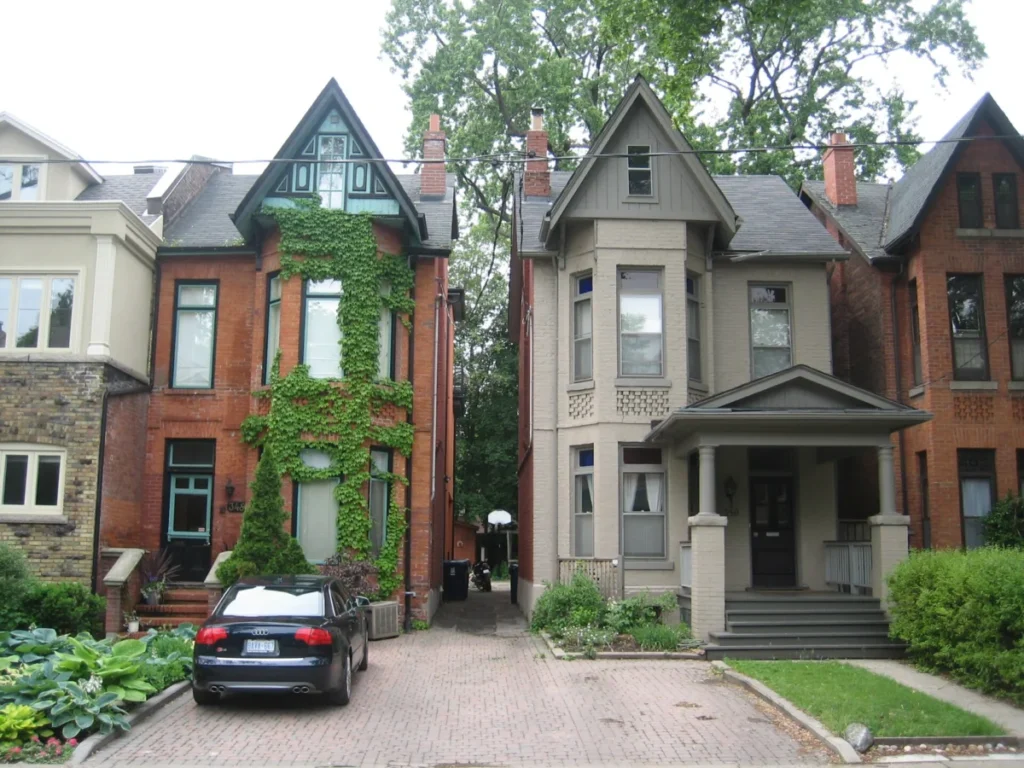
The Annex and Yorkville sit just north of downtown Toronto, around Bloor Street between Avenue Road and Bathurst. The Annex is known for its grand Victorian and Edwardian houses, leafy streets and university energy; Yorkville for luxury condos, designer shopping on Bloor Street and fine dining. Together they offer some of the most walkable, central living in the city. Here’s what to know before you buy or sell.
Streets & pockets Prices Market Costs Transit Schools Checklist FAQ
The Annex & Yorkville at a glance
- Where: central Toronto, north of the University of Toronto, around Bloor Street between Bathurst Street and Yonge Street
- Typical home price: $1,295,900 MLS® HPI benchmark for all home types in TRREB district C02 (September 2026)
- Getting around: subway Lines 1 and 2 at St. George, Spadina, Bay and Bloor-Yonge stations
- Best for: buyers who want walkability, character homes or luxury condos close to downtown
Why people choose The Annex & Yorkville
- Location: minutes from downtown by subway, with Lines 1 and 2 meeting at St. George and Bloor-Yonge
- Architecture: the Annex’s distinctive Victorian and Romanesque Revival houses, plus historic Yorkville streets such as Hazelton Avenue
- Culture: the Royal Ontario Museum, the Bata Shoe Museum, Hot Docs Ted Rogers Cinema and Casa Loma nearby
- Shopping and dining: Bloor Street’s luxury “Mink Mile”, Yorkville boutiques and the Annex’s independent cafés and bookshops
The Annex is one of Toronto’s most beautiful areas for classic houses, while Yorkville offers some of the city’s most prestigious condos. The two markets behave very differently, so I always compare them street by street. — Irina
Streets and pockets of The Annex & Yorkville
TRREB groups the Annex and Yorkville into district C02, which also includes Casa Loma, Wychwood and Yonge-St. Clair. Here’s how the main pockets differ:
The Annex
Large Victorian and Edwardian semis and detached homes, many converted to multiple units, on tree-lined streets between Bathurst and Avenue Road. Popular with academics, professionals and investors.
Yorkville
Luxury high-rise and boutique condos, historic Victorian row houses turned into shops and galleries, and some of Toronto’s most expensive real estate, centred on Yorkville Avenue and Cumberland Street.
Casa Loma and Wychwood
North of Dupont, larger family homes near Casa Loma and the Wychwood Barns, with a quieter, more residential feel.
Seaton Village
A small pocket west of Bathurst with charming semis and row houses, popular with families.
Homes and prices in The Annex & Yorkville
Expect a wide range: luxury condo apartments, Victorian semis and row houses, grand detached homes and multi-unit houses with rental suites.
The Annex & Yorkville benchmark prices (September 2026)
Here’s how district C02 compares with the City of Toronto and the whole TRREB area:
| Area | All homes | Detached | Semi-detached | Townhouse | Condo apt. |
|---|---|---|---|---|---|
| C02 (Annex, Yorkville) | $1,295,900 | $2,565,300 | $1,818,500 | $1,556,700 | $796,000 |
| City of Toronto | $908,200 | $1,417,600 | $1,111,200 | $714,700 | $543,800 |
| All TRREB (GTA) | $917,600 | $1,196,400 | $912,000 | $668,800 | $527,200 |
A typical detached home in district C02 was benchmarked about $1,147,700 above the City of Toronto figure in September 2026. The composite benchmark was down 0.92% year over year, with condo apartments down 3.00%, so condo buyers currently have more negotiating room. Ask me for recent sold prices on any street.
Thinking of selling? Get a free home evaluation and I’ll show you what comparable homes near you have actually sold for.
Market snapshot
Here’s how many homes sold and at what prices in September 2026, for all home types combined:
| Area | Homes sold | Average price | Median price |
|---|---|---|---|
| C02 (Annex, Yorkville) | 58 | $1,773,011 | $1,472,500 |
| City of Toronto | 1,937 | $1,034,320 | $810,000 |
| All TRREB (GTA) | 5,040 | $1,006,409 | $860,000 |
Across the whole GTA in September 2026, homes sold for about 98% of their final list price on average and spent an average of 34 days on the market. GTA sales were down 9.0% from a year earlier and the average price was down 5.1%, so buyers have more choice and negotiating room than in recent years. Monthly numbers for a single district can swing a lot, so ask me for a free market report on a specific street.
What it costs to buy in The Annex & Yorkville
Land transfer tax
The Annex & Yorkville is in the City of Toronto, so buyers pay two land transfer taxes on closing: Ontario’s and Toronto’s municipal land transfer tax. Up to $3 million the two use the same rates, so the total is roughly double the provincial amount.
| Example purchase | Ontario + Toronto LTT | First-time buyer pays |
|---|---|---|
| Detached home at $2,580,000 | $101,950 | $93,475 |
| Condo apartment at $750,000 | $22,950 | $14,475 |
First-time buyers can get refunds of up to $4,000 on the Ontario tax and up to $4,475 on the Toronto tax, as long as they (and their spouse) have never owned a home anywhere in the world. Land transfer tax is paid on closing, on top of your down payment. Try the land transfer tax calculator.
Property taxes
Toronto’s 2026 residential property tax rate is 0.767311% (City of Toronto, including the education portion and City Building Fund levy), or about $767 a year for every $100,000 of assessed value, one of the lowest rates in the GTA. Property tax is based on your home’s MPAC assessed value, which is still based on January 1, 2016 values and is usually well below today’s market price.
| MPAC assessed value | Approximate yearly property tax |
|---|---|
| $400,000 | $3,069 |
| $600,000 | $4,604 |
| $800,000 | $6,138 |
| $1,000,000 | $7,673 |
Getting around
- Subway: Line 1 (Yonge-University) and Line 2 (Bloor-Danforth) meet at St. George and Bloor-Yonge, with Spadina and Bay stations in between.
- Streetcar and bus: the 510 Spadina streetcar and several bus routes run through the area.
- Car-light living: many residents walk, cycle (Bloor Street has bike lanes) or use transit day to day.
Schools and family life
The area is served by the Toronto District School Board and Toronto Catholic District School Board, with French-language schools through Viamonde and MonAvenir. Always check each board’s school locator for a specific address, as boundaries and program availability (such as French Immersion) vary street by street. The University of Toronto’s St. George campus is on the Annex’s doorstep.
Major downtown hospitals, including Toronto General, Mount Sinai and SickKids, are a short subway or streetcar ride away.
Child care
At licensed centres enrolled in the Canada-wide Early Learning and Child Care program, fees for children under 6 are capped at $22 a day in 2026, and families with lower incomes can apply for a fee subsidy. The City of Toronto’s child care finder lists licensed centres, including those in the reduced-fee program, and EarlyON drop-in centres. My tip: get on waitlists early and ask each centre whether it’s in the reduced-fee program.
Parks, shopping and things to do
- Culture: the Royal Ontario Museum, Bata Shoe Museum, Gardiner Museum and Hot Docs Ted Rogers Cinema
- Parks: Village of Yorkville Park, Ramsden Park and the grounds around Casa Loma
- Shopping: luxury brands on Bloor Street West, Yorkville boutiques and the Annex’s independent shops
- Community: the Wychwood Barns farmers’ market and arts spaces
Pros and cons of living in The Annex & Yorkville
Pros
- Very central, with two subway lines
- Beautiful heritage homes and streets
- Museums, restaurants and shopping on your doorstep
- Strong long-term demand from buyers and renters
Cons
- Among the highest prices in Toronto
- Older homes can need costly upkeep
- Limited parking and busy streets
- Condo fees in luxury buildings can be high
Before you buy in The Annex & Yorkville: local checklist
Every area has its own rules and quirks. Here’s what I check with buyers in The Annex & Yorkville:
- Heritage: check whether the home is individually designated or in a Heritage Conservation District, which affects exterior renovations and additions.
- Older homes: many houses here are 80 to 120+ years old, so budget for a thorough inspection covering wiring (including any knob-and-tube), plumbing, the roof and the foundation.
- Basement flooding: ask about backwater valves and sump pumps; the City offers a Basement Flooding Protection Subsidy Program.
- Garden and laneway suites: if you want extra space or rental income, check whether the lot qualifies for a garden or laneway suite.
- Vacant Home Tax: every Toronto owner must file an occupancy declaration each year, even if they live in the home.
- Multi-unit houses: for converted houses, confirm that each unit is legal and check existing tenancies.
- Condos: always review the status certificate, reserve fund study and any upcoming special assessments before you firm up an offer.
- Non-Canadian buyers: check the current federal foreign-buyer rules and Ontario’s Non-Resident Speculation Tax before making an offer.
Buying or selling in The Annex & Yorkville with Irina
I’m a RE/MAX Realtron Realty Sales Representative and Seniors Real Estate Specialist (SRES®), based in Scarborough and working across Toronto and the GTA. Whether you’re buying your first home, moving up or downsizing from a family home, I’ll help you compare neighbourhoods, price your home correctly and negotiate the best terms. I work in English and Russian.
- Buying with Irina: how I help buyers find the right home and negotiate well
- Selling with Irina: pricing, preparation and marketing that gets results
- Free home evaluation: find out what your home is worth today
- First-time buyer guide, mortgage pre-approval and closing costs: plan your budget before you shop
- New to Canada? My guide to buying a home as a newcomer
Plan your move to Annex & Yorkville
Where is Annex & Yorkville?
Gold pin: Annex & Yorkville. Click any white pin to open that neighbourhood’s guide.
What would I pay each month?
Start from a typical Annex & Yorkville price (MLS® HPI benchmark, September 2026) or type your own:
The 4.5% interest rate is only an example; use the rate your lender or mortgage broker quotes. 30-year amortizations on insured mortgages are for first-time buyers and new builds. Toronto buyers pay both Ontario and Toronto land transfer tax. This is an estimate, not financial advice.
How have prices changed this year?
Typical price for all home types in TRREB district C02: $1,295,900 in September 2026, -1.7% since October 2025 ($1,318,800).
MLS® Home Price Index composite benchmark, October 2025 to September 2026. Source: TRREB Market Watch. Hover over a point to see that month’s figure.
Check your commute
Live travel times from Google Maps, starting in Annex & Yorkville. Tip: check at the time of day you’d actually travel.
The Annex & Yorkville real estate FAQ
Is the Annex a good place to live?
For people who want walkable, central living near the University of Toronto, with character homes and two subway lines, it’s one of Toronto’s most popular areas. The main trade-offs are high prices and the upkeep of older homes.
How much does a house cost in the Annex or Yorkville?
In September 2026, the MLS® HPI benchmark for all home types in TRREB district C02 (which includes the Annex and Yorkville) was $1,295,900, and for a detached home $2,565,300. Condo apartments were benchmarked at $796,000.
What is the difference between the Annex and Yorkville?
The Annex is mostly Victorian and Edwardian houses on residential streets west of Avenue Road. Yorkville, just east, is known for luxury condos, high-end shopping and dining.
What subway stations serve the Annex and Yorkville?
St. George and Spadina (Lines 1 and 2), Bay (Line 2), and Bloor-Yonge (Lines 1 and 2).
What are property taxes in the Annex?
Toronto’s 2026 residential rate is 0.767311% of your home’s MPAC assessed value, about $767 per $100,000 of assessment.
Useful links
- City of Toronto
- TTC (routes and service)
- Toronto District School Board and Toronto Catholic District School Board
- TRREB Market Watch (monthly prices)
Nearby neighbourhood guides
- Midtown Toronto
- Downtown Toronto
- West Toronto
- Leaside
- See all areas on the interactive map
- Forest Hill
- Rosedale & Moore Park
Compare neighbourhoods: Most affordable areas · Best for families · Best for downsizing · First-time buyer guide · Downsizing guide · All neighbourhood guides